
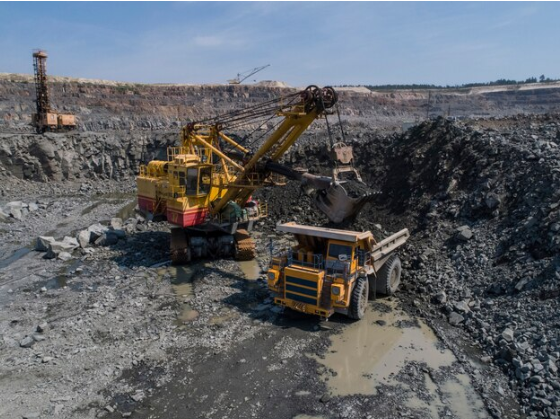
Mining operations generate substantial SR&ED-eligible work, but the sector’s claims often go under-filed because the work is embedded in operational problem-solving — a processing plant adjustment, an equipment modification — rather than a formally labelled research project.
Common Sources of Eligible Work
● Developing processing methods to handle ore bodies with variable or unusually complex mineralogy that existing methods don’t reliably process
● Modifying or combining extraction equipment for conditions it wasn’t originally designed for, requiring systematic testing to determine feasibility
● Solving unpredictable recovery-rate or yield problems that persist despite following established processing practice
● Developing new approaches to tailings management or water treatment specific to a site’s mineralogy and regulatory constraints
What Generally Doesn’t Qualify
● Routine production once a processing method is established and validated
● Standard equipment installation and commissioning per manufacturer specifications
● Quality control and assay testing using established methods
● Standard exploration drilling and geological survey work
Why Site-Specific Variability Matters
A processing method validated at one site frequently doesn’t transfer cleanly to another because ore mineralogy, moisture content, and impurity profiles vary meaningfully by deposit. Adapting an established method to a genuinely different ore body — where the outcome isn’t predictable from prior operating experience — is a recurring and often under-claimed source of eligible work.