
SR&ED Case Study: EV Battery Thermal Management System Design

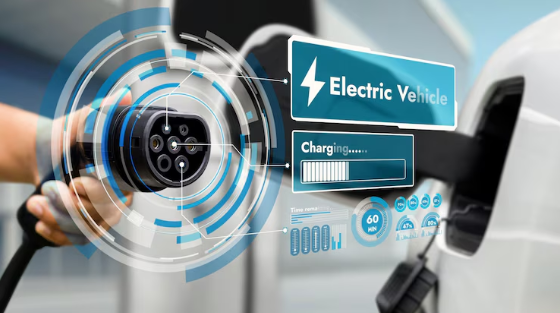
Focus-hand-pointing-ev-charger-in-front-of-camera-display-smart-battery-status-hologram-in-blurry-background-electric-car-charger-using-clean-energy-reducing-co2-emissionperuse

Background

An EV component manufacturer was developing a battery pack for a commercial vehicle application involving repeated fast-charging cycles and sustained high-load operation, conditions more demanding than the thermal management approach used in the manufacturer’s existing passenger vehicle designs.

The Challenge

Existing passive and standard active cooling designs couldn’t maintain the battery pack within safe operating temperature during the combined fast-charging and sustained-load duty cycle, and it was unclear whether any cooling architecture could meet the requirement within the vehicle’s packaging and weight constraints.

Technological Uncertainty

It was not known in advance whether a cooling system could maintain safe cell temperatures under this specific duty cycle within the available packaging space, or what combination of coolant flow architecture and thermal interface design would be required.

Experimental Development

The team systematically tested multiple coolant flow architectures, thermal interface materials, and cell-spacing configurations, measuring peak cell temperature, thermal gradient across the pack, and cooling system power draw for each configuration under simulated duty-cycle conditions.

What Failed?

An initial serpentine coolant flow design maintained acceptable average temperature but produced a thermal gradient across the pack that exceeded cell balancing tolerances, requiring the team to redesign the flow path and cell arrangement.

Technological Advancement

The team developed a modified coolant flow architecture combined with a revised thermal interface configuration that maintained safe, balanced cell temperatures across the full duty cycle within the required packaging envelope, generating new thermal design knowledge specific to this application.

Potentially Relevant SR&ED Activities

●   Systematic testing of coolant flow architectures and thermal interface configurations

●   Peak temperature and thermal gradient benchmarking under simulated duty-cycle conditions

●   Cooling system power draw analysis across configurations

What Would Generally Not Qualify

Manufacturing battery packs using the finalized, validated thermal management design for production vehicles would be routine manufacturing and would not itself qualify.

Documentation

Thermal test data across cooling configurations, packaging and weight analysis, and engineering notes explaining why standard cooling architectures were insufficient would support this claim.


About The Author

Dale Doering

Dale Doering is the owner of SRED Consultants Inc., helping businesses navigate the complexities of Scientific Research and Experimental Development (SR&ED) claims. With a strong understanding of the technical and interpretive requirements of the SR&ED program, Dale works with companies to identify eligible projects, document technological challenges, and clearly demonstrate the systematic experimentation or analysis undertaken to achieve advancement. His approach focuses on translating complex technical work into well-supported SR&ED claims, helping clients maximize eligible opportunities while maintaining a clear understanding of the program’s requirements.

Recent Posts

Frequently Asked Questions

What was the core challenge faced by the EV component manufacturer?

Existing passive and standard active cooling designs were unable to maintain the battery pack within safe operating temperatures during a demanding commercial vehicle duty cycle involving repeated fast-charging and sustained high loads. Furthermore, it was uncertain whether any cooling architecture could meet these thermal requirements within the vehicle’s tight packaging and weight constraints.

The primary uncertainties were whether a cooling system could successfully maintain safe cell temperatures under the specific fast-charging and sustained-load duty cycle within the available packaging space, and determining what precise combination of coolant flow architecture and thermal interface design would be necessary to achieve it.

An initial serpentine coolant flow design was tested; while it maintained an acceptable average temperature, it produced a thermal gradient across the pack that exceeded acceptable cell balancing tolerances. This failure required the team to go back and redesign both the flow path and the cell arrangement.

Potentially eligible SR&ED activities include:

– Systematic testing and experimentation with various coolant flow architectures and thermal interface configurations.

– Benchmarking peak cell temperatures and thermal gradients under simulated duty-cycle conditions.

– Analyzing cooling system power draw across different configurations.

Routine commercial manufacturing—such as mass-producing battery packs using the finalized, validated thermal management design for standard production vehicles—would be considered routine manufacturing and would not qualify for SR&ED.

Related Post