SR&ED for Gaming and Interactive Media Studios

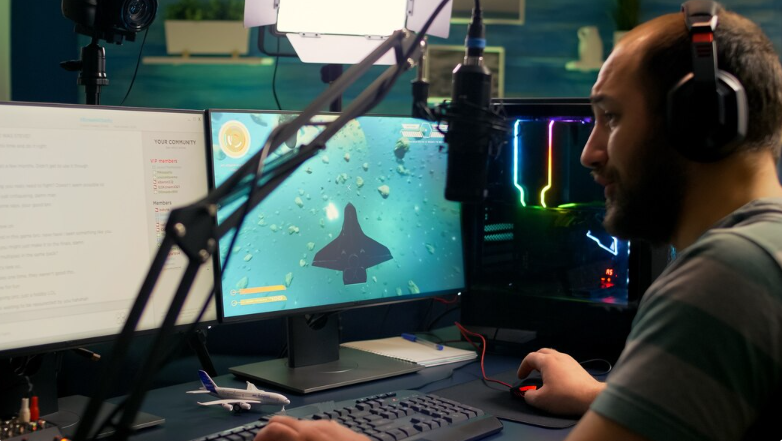
Pro streamer man playing space shooter video games during online competition

Game studios are among the more under-claimed sectors for SR&ED, largely because so much of the work is described internally as “creative” or “content” rather than technical — even when engine, physics, and rendering teams are solving problems with no established solution.

Where Eligibility Commonly Shows Up

●  Developing custom rendering, physics, or simulation systems where existing engine features can’t achieve the required performance or fidelity

●   Solving networking and synchronization problems for real-time multiplayer at scale under unpredictable latency conditions

●   Building procedural generation systems where the output quality or performance isn’t achievable with documented techniques

●   Optimizing performance across a wide range of target hardware where standard profiling and tuning don’t resolve the bottleneck

Where It Usually Doesn’t Apply

●   Level design, narrative writing, and art asset creation

●   Standard use of an off-the-shelf engine’s documented features and tools

●   UI/UX implementation and menu system development

●   Routine bug fixing within an established, working codebase

The Documentation Gap in Studio Culture

Game development teams typically track work through sprint boards and playtesting notes rather than formal engineering documentation. That’s usually enough — the gap is in recognizing which sprint tickets and postmortems describe genuine technical uncertainty (an engine limitation nobody had solved) versus routine feature implementation.


About The Author

Dale Doering

Dale Doering is the owner of SRED Consultants Inc., helping businesses navigate the complexities of Scientific Research and Experimental Development (SR&ED) claims. With a strong understanding of the technical and interpretive requirements of the SR&ED program, Dale works with companies to identify eligible projects, document technological challenges, and clearly demonstrate the systematic experimentation or analysis undertaken to achieve advancement. His approach focuses on translating complex technical work into well-supported SR&ED claims, helping clients maximize eligible opportunities while maintaining a clear understanding of the program’s requirements.

Recent Posts

Frequently Asked Questions

What types of game development work qualify for SR&ED?

SR&ED eligibility typically shows up in core technical problem-solving. Examples include developing custom rendering or physics systems, solving real-time multiplayer networking and synchronization challenges at scale, creating advanced procedural generation systems, and resolving complex performance bottlenecks across various target hardware when standard tuning fails.

Non-technical, artistic, and routine development tasks generally do not qualify. This includes level design, art asset creation, narrative writing, standard UI/UX and menu development, routine bug fixes, and using off-the-shelf game engine features in standard, documented ways.

Many studios fail to claim SR&ED because internal teams often categorize their work broadly as “creative” or “content.” Consequently, they overlook the genuine technical challenges solved by their engine, physics, and rendering teams that have no existing or documented solutions.

Game studios usually document work using agile sprint boards and playtest notes rather than traditional engineering specs. While these existing tracking methods are often sufficient, the main challenge is identifying which sprint tickets and postmortems document genuine technical uncertainty rather than standard feature implementation.

An issue moves beyond routine work into technical uncertainty when off-the-shelf engine features, documented techniques, or standard profiling tools cannot achieve the required performance or fidelity, forcing your team to develop a custom solution with no established precedent.

Related Post