Background
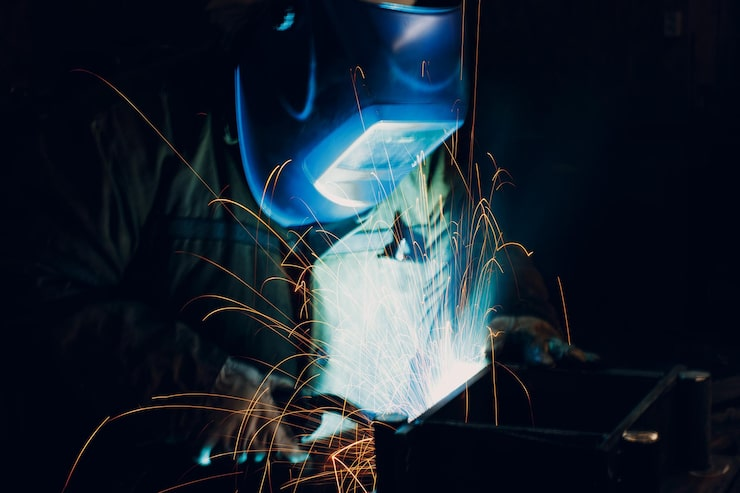
A fabrication shop was asked to join two dissimilar metal alloys for a client application, a combination with no established welding procedure specification available through industry standards or the shop’s existing certified procedures.
The Challenge
Standard welding parameters produced brittle joints prone to cracking, and it was unclear whether any combination of technique, filler material, and heat management could produce a joint meeting the required strength and fatigue specifications.
Technological Uncertainty
It was not known in advance whether any weld procedure could reliably join these specific alloys without cracking, or what combination of preheat, filler metal, and post-weld treatment would be required to achieve acceptable joint integrity.
Experimental Development
The team systematically tested combinations of filler materials, preheat temperatures, and post-weld heat treatments on trial coupons, evaluating each combination through mechanical testing and metallurgical examination.
What Failed?
Two initial filler material and preheat combinations produced joints that passed visual inspection but failed fatigue testing due to microstructural embrittlement, requiring the team to investigate alternative heat treatment sequences.
Technological Advancement
The team developed a validated weld procedure combining a specific preheat profile, filler material, and post-weld treatment sequence that consistently met strength and fatigue requirements, generating new technical knowledge not available in existing welding codes for this alloy combination.
Potentially Relevant SR&ED Activities
- Systematic trial welding across filler material and preheat combinations
- Mechanical and metallurgical testing of trial joints
- Development and validation of a new weld procedure specification
What Would Generally Not Qualify
Production welding using the finalized, qualified procedure on subsequent client parts would be routine work and would not itself qualify.
Documentation
Trial coupon records, mechanical test results, metallurgical examination reports, and the final weld procedure specification with supporting data would support this claim.