SR&ED in Water Treatment and Environmental Engineering

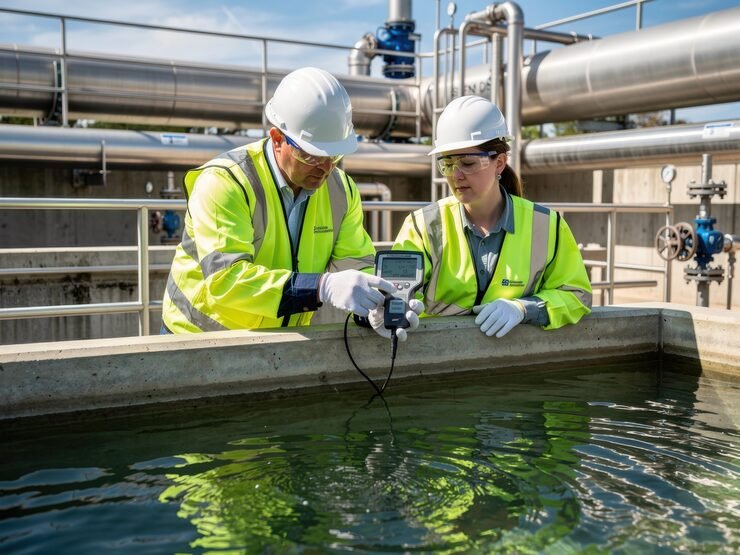
environmental-technicians-testing-water-quality-treatment-facility

Water treatment and environmental engineering firms regularly encounter site-specific contaminant profiles that established treatment processes weren’t designed for — exactly the kind of genuine technical uncertainty the SR&ED program targets, even though the sector rarely thinks of itself as doing ‘R&D.’

Where Eligibility Commonly Shows Up

●   Developing treatment processes for contaminant combinations or concentrations existing standard methods don’t reliably address

●   Adapting treatment technology to source water with unusual variability that degrades standard process performance

●   Solving unexpected fouling, scaling, or efficiency problems that persist despite following established design guidance

●   Developing new approaches to meet discharge or reuse standards that existing treatment trains can’t consistently achieve

What Generally Doesn’t Qualify

●   Standard treatment plant operation once a process is established and validated

●   Routine equipment installation and commissioning per manufacturer specifications

●   Standard compliance testing and monitoring using established methods

●   Applying an already-proven treatment train to a new site with comparable water chemistry

Why Site-Specific Water Chemistry Matters

Published treatment guidance is typically developed and validated against representative water chemistry, not a specific site’s actual composition. When a facility’s real-world influent behaves differently than the published design basis predicted — and the team has to systematically investigate why — that divergence is often where the eligible work sits.

About The Author

Dale Doering

Dale Doering is the owner of SRED Consultants Inc., helping businesses navigate the complexities of Scientific Research and Experimental Development (SR&ED) claims. With a strong understanding of the technical and interpretive requirements of the SR&ED program, Dale works with companies to identify eligible projects, document technological challenges, and clearly demonstrate the systematic experimentation or analysis undertaken to achieve advancement. His approach focuses on translating complex technical work into well-supported SR&ED claims, helping clients maximize eligible opportunities while maintaining a clear understanding of the program’s requirements.

Recent Posts

Frequently Asked Questions

What types of contaminant challenges qualify for SR&ED in water treatment?

Work qualifies when you are developing new treatment processes for contaminant combinations or concentrations that existing standard methods cannot reliably address.

Yes. Adapting treatment technology to source water with unusual variability that degrades standard process performance is considered eligible SR&ED work.

No. Standard treatment plant operations (once a process is established and validated) and routine equipment installation or commissioning per manufacturer specifications generally do not qualify.

Routine or standard compliance testing and monitoring using established methods are generally excluded from SR&ED eligibility.

Published treatment guidance is usually based on representative water chemistry rather than a specific site’s actual composition. When real-world influent behaves differently than predicted and your team systematically investigates that divergence, that investigative work often represents eligible SR&ED.

Related Post