
SR&ED in Mining and Resource Extraction

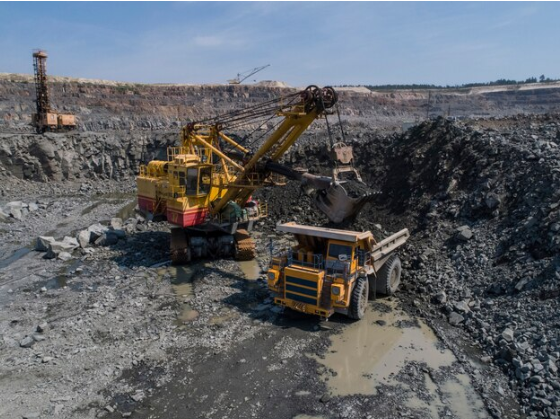
Huge-industrial-dump-truck-loaded-by-a-excavator-in-a-stone-quarry-loaded-transporting-marble

Mining operations generate substantial SR&ED-eligible work, but the sector’s claims often go under-filed because the work is embedded in operational problem-solving — a processing plant adjustment, an equipment modification — rather than a formally labelled research project.

Common Sources of Eligible Work

●   Developing processing methods to handle ore bodies with variable or unusually complex mineralogy that existing methods don’t reliably process

●   Modifying or combining extraction equipment for conditions it wasn’t originally designed for, requiring systematic testing to determine feasibility

●   Solving unpredictable recovery-rate or yield problems that persist despite following established processing practice

●   Developing new approaches to tailings management or water treatment specific to a site’s mineralogy and regulatory constraints

What Generally Doesn’t Qualify

●   Routine production once a processing method is established and validated

●   Standard equipment installation and commissioning per manufacturer specifications

●   Quality control and assay testing using established methods

●   Standard exploration drilling and geological survey work

Why Site-Specific Variability Matters

A processing method validated at one site frequently doesn’t transfer cleanly to another because ore mineralogy, moisture content, and impurity profiles vary meaningfully by deposit. Adapting an established method to a genuinely different ore body — where the outcome isn’t predictable from prior operating experience — is a recurring and often under-claimed source of eligible work.


About The Author

Dale Doering

Dale Doering is the owner of SRED Consultants Inc., helping businesses navigate the complexities of Scientific Research and Experimental Development (SR&ED) claims. With a strong understanding of the technical and interpretive requirements of the SR&ED program, Dale works with companies to identify eligible projects, document technological challenges, and clearly demonstrate the systematic experimentation or analysis undertaken to achieve advancement. His approach focuses on translating complex technical work into well-supported SR&ED claims, helping clients maximize eligible opportunities while maintaining a clear understanding of the program’s requirements.

Recent Posts

Frequently Asked Questions

Why do mining companies often under-claim SR&ED tax credits?

Claims are frequently under-filed because eligible SR&ED work in mining is typically embedded in day-to-day operational problem-solving—such as processing plant adjustments or equipment modifications—rather than structured, formally labeled R&D projects.

Eligible activities include developing custom processing methods for complex ore bodies, modifying or combining equipment for novel operating conditions, resolving persistent recovery-rate issues, and creating site-specific tailings or water treatment solutions.

Routine production, standard equipment installation per manufacturer specs, established quality control and assay testing, and standard exploration drilling or geological surveys generally do not qualify.

Processing methods rarely transfer seamlessly between deposits due to differences in mineralogy, moisture, and impurities. Adapting established methods to a genuinely different ore body—where the operational outcome is unpredictable—constitutes eligible SR&ED work.

Yes, modifying or combining extraction equipment for conditions outside its original design intent qualifies, provided the process requires systematic testing to establish feasibility.

Related Post