



Industries
SR&ED Across All Industries
Innovation happens everywhere. We’ve helped companies in every sector maximize their SR&ED claims with industry-specific expertise.
What we offer
Deep Industry Knowledge
Life Sciences & Biotech
Software development, AI/ML, mobile apps, SaaS platforms, blockchain, and cybersecurity innovations.
Common SR&ED activities:
- Novel algorithm development
- AI/ML model training and optimization
- Complex system architecture challenges
- API integration and data processing
- Security protocol development
Manufacturing & Engineering
Product design, process improvement, materials research, automation, and advanced manufacturing.
Common SR&ED activities:
- New product development and prototyping
- Manufacturing process optimization
- Materials testing and characterization
- Equipment design and automation
- Quality control methodology
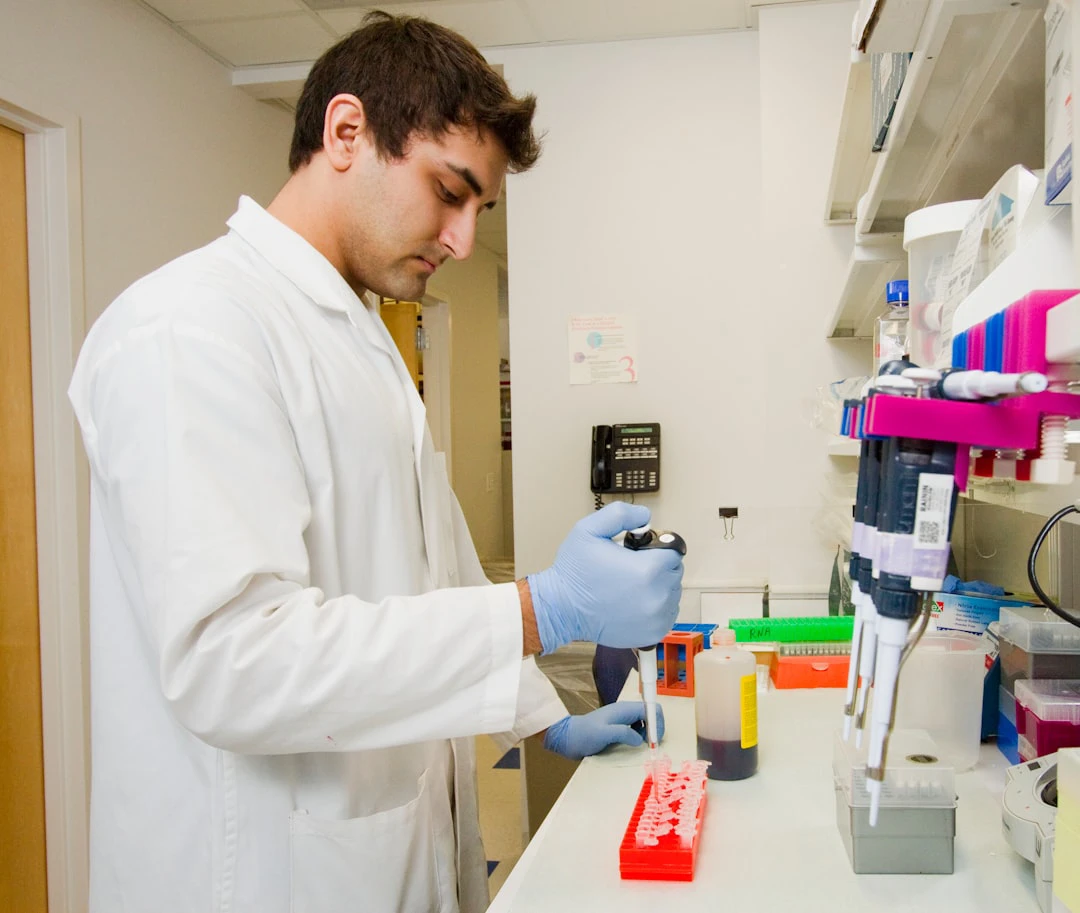
Life Sciences & Biotech
Medical devices, pharmaceuticals, biotechnology, food science, and agricultural innovation.
Common SR&ED activities:
- Medical device development and testing
- Drug formulation and delivery systems
- Biotechnology process development
- Food product formulation
- Agricultural technology advancement
Cleantech & Energy
Renewable energy, environmental technology, energy efficiency, and sustainable solutions.
Common SR&ED activities:
- Renewable energy system design
- Energy storage technology
- Environmental remediation methods
- Efficiency optimization systems
- Emissions reduction technology
Eligibility criteria
What Makes Work SR&ED Eligible?
Regardless of industry, SR&ED work must meet three core criteria.

Technological Advancement
You are seeking to achieve a technological advancement by creating new capabilities or improving existing technology beyond what is currently available or readily understood.

Technological Uncertainty
Eligible work begins where existing knowledge falls short. If your objectives cannot be achieved using standard practices, established methods, or readily available technology, you may be facing technological uncertainty. This means the solution is not obvious, and cannot be resolved through routine engineering or conventional development.

Systematic Investigation
SR&ED requires a disciplined and structured approach to solving technical problems. This typically involves forming hypotheses, conducting experiments, analyzing results, and iterating based on findings. Failures are expected and valuable, as each iteration contributes to a deeper understanding and guides the next phase of development.
Our advantage
Cross-Industry Perspective
Working across industries gives us unique insight into what CRA looks for, how technical narratives should be structured, and which approaches maximize claim value while maintaining defensibility.
Whether you’re developing software, manufacturing products, conducting biotech research, or advancing clean energy—we know how to position your innovation for SR&ED success.
Not sure if your work qualifies?
Book a free consultation and we’ll assess your eligibility—no obligation.